The 500-Yen Ceiling: Give Every Creative Idea a Tiny Budget and Watch Which Ones Refuse to Die
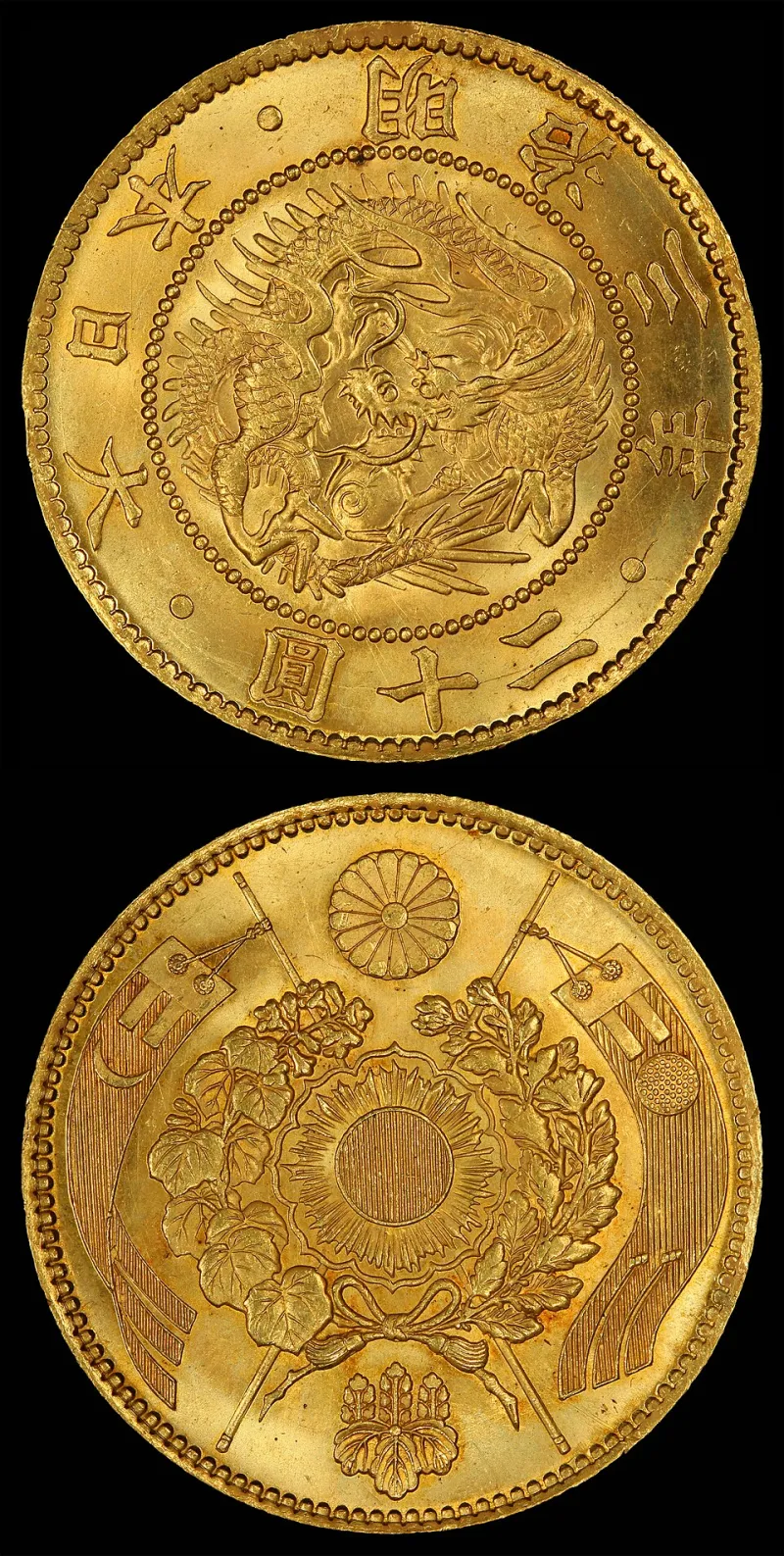
Photo: National Museum of American History, Public domain, via Wikimedia Commons
I have a folder of creative ideas that are all going to be great someday. It has thirty-one items in it. I have finished four.
The bottleneck was never talent or time. It was that every idea arrived with an implicit budget attached — a course, a domain, a camera, a weekend workshop — and a budget that size creates a strange kind of permission to delay. You cannot start until you have the thing. You cannot justify the thing until you are sure the idea is good. So you wait, and the idea gets more expensive in your head every month.
Two years ago I started capping new experiments at 500 yen. One coin. Roughly the price of a latte and a pastry in most of the US, and enough for a coffee, a used paperback, or a single machine print in Tokyo.
The rules, which are deliberately boring
- One idea, one cap. No stacking. If a project needs 1,000 yen, it is not a 500-yen project, it is two projects, and I have to decide which half I actually want.
- One week. Start Monday, ship or kill by Sunday. Not polish — ship. A rough thing that exists beats a refined thing that does not.
- One artifact. A PDF, a printed page, a recorded file, a photo set, a single web page. Something a stranger could look at without me explaining it.
- One public note. Three sentences posted somewhere: what I made, what it cost, what I learned. This is the part that makes it real.
- No new tools. Whatever is already on my laptop or in my kitchen drawer. Buying software resets the clock and I know it.
That is the entire system. It fits on an index card, which is the point — a system complicated enough to study is a system that lets you avoid the work.
What a single coin actually buys in Tokyo
This is the fun part, and it is why the cap is 500 and not 5,000. At that price point you are not shopping for capability, you are shopping for a constraint. The budget forces you to choose a format small enough to finish.
A coin-operated copier will give you about ten black-and-white pages. A used bookshop will sell you a damaged art book for the price of a coffee. A hundred-yen shop sells card stock, a glue stick, and a decent pair of scissors with change left over. A single color print at a convenience store kiosk costs less than a sandwich.
In the US the equivalent is a library card plus a dollar-store run, or one nice coffee you drink while doing the actual work. The currency is not the point. The ceiling is.
Five experiments that came out of it
1. The twelve-page zine. A coin-op copier, folded, stapled, given to six people. Cost: 500 yen. It was bad. It also taught me that my writing gets better when I assume a reader will hold it in their hands.
2. The one-page site. A single HTML file on free hosting, one paragraph, one image, no navigation. Cost: zero, because I had the domain already and refused to buy another. It is still the page people email me about.
3. The field recording set. Three sounds from my neighborhood, recorded on my phone, trimmed, posted as a set with timestamps. Cost: a coffee while I sat still for an hour, which is the hardest part of field recording and also the entire skill.
4. The postcard series. Six postcards printed at a kiosk, mailed to six strangers who responded to a post online. Cost: 500 yen including postage within Japan. Half never arrived. The ones that did produced two friendships and one collaboration.
5. The photo essay with no photos. Twelve images described in writing because I did not want to pay for a print run. Cost: nothing. It remains the piece I would most want to be judged by.
Two that died, correctly
One was a small publication about a topic I thought I loved. Halfway through I realized I loved the idea of loving it. The other was a lighting experiment that needed equipment I did not have and could not fake.
Both failures cost me a week and one coffee. Compare that to the eight-week online course I bought in a previous year and never opened past module two. The tiny budget does not guarantee quality. It guarantees a fast, cheap, honest answer.
Why the ceiling finishes things
A deadline and a budget are the same tool wearing different clothes. Both convert an infinite possibility into a finite object. When you cannot buy your way out of a problem, you have to choose a version of the idea and commit, and choosing is what makes a project exist.
There is also a psychological effect I did not expect: spending 500 yen on something makes you protective of it. It is real money, so the artifact has to be real too. Free ideas float. Cheap ones land.
How to run it in dollars
Pick a number you would spend on lunch without thinking about it. Five dollars, ten, whatever. Say it out loud, put it in a cash envelope if you want the physical reminder, and give one idea seven days.
Then do the last rule, the one everyone skips: post the three sentences. Not for an audience. For the record. A year of those notes is more useful than any portfolio, because it shows you which kinds of ideas you actually finish — and that pattern is your real creative direction, not the thirty-one items in the folder.