Tokyo Doesn't Clock Out: Nine After-Hours Rooms Where Creative Work Actually Happens
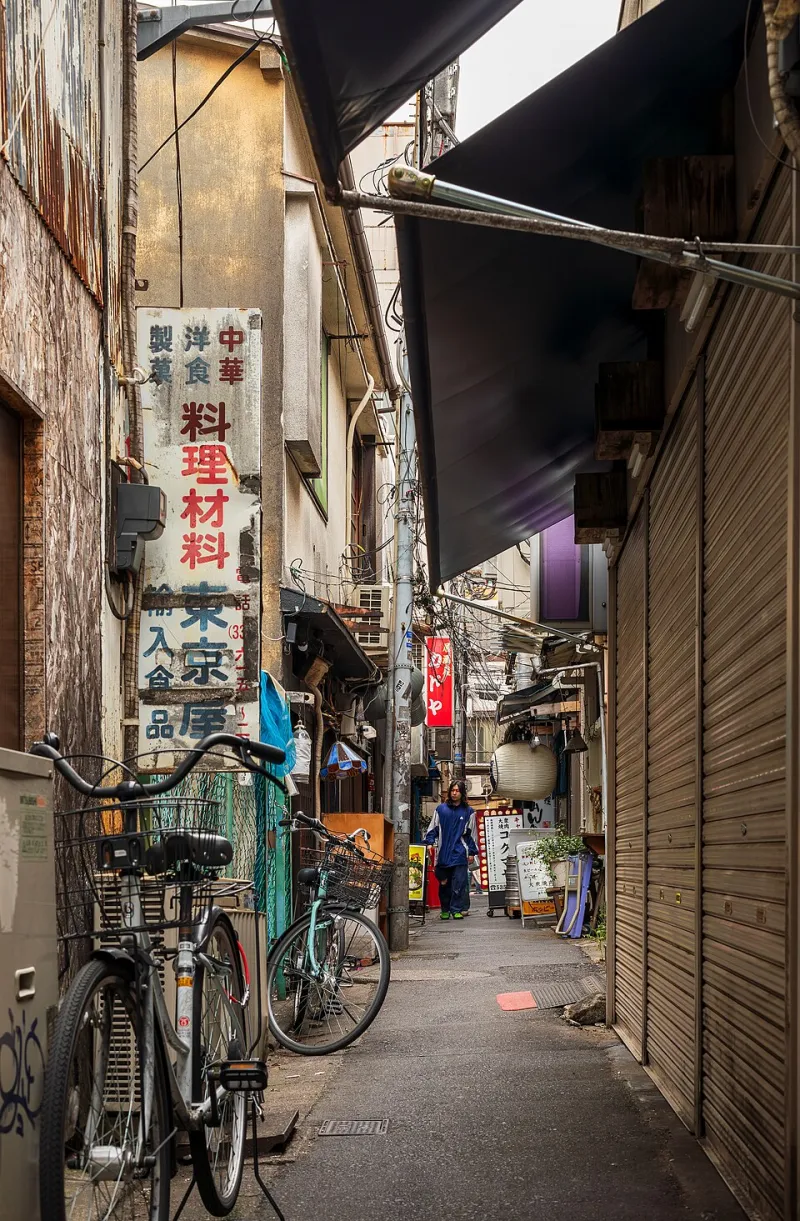
Photo: Ximonic (Simo Räsänen), CC BY-SA 4.0, via Wikimedia Commons
Tokyo at 11 p.m. is not the city from the posters. The express trains are thinning out, the scramble crossing has lost its crowd, and everything interesting has moved indoors and upstairs — into second-floor coffee counters, record bars the size of a closet, and print studios where somebody is still pulling proofs past midnight because the paper finally feels right.
This is a field guide for the people who land at Haneda with jet lag and a laptop. I have spent enough late nights in these rooms to know which ones reward the trip and which ones just have good lighting for photos. Hours in Tokyo drift more than visitors expect, so treat every time below as a range to confirm, not a promise.
Before you walk in: four rules that keep doors open
- Buy something, once. A coffee, a beer, a small cover charge. These rooms are tiny and the economics are thinner than they look.
- Ask before you photograph. A nod toward your camera and a raised eyebrow does the job. Many record bars will politely decline. Accept it and put the phone away.
- Keep your voice at library volume. This is the one that trips up Americans. Tokyo's late-night creative spaces are quiet by design; a normal bar voice reads as shouting here.
- No tipping. Pay when the check lands, say gochisousama deshita on the way out, and don't camp at the register.
Koenji: the neighborhood that never quite closes
1. A record bar off the Pal shopping street. Ten seats, a wall of city pop and free jazz, a owner who will play your request if you can name the year. The cover charge is usually under $10 and includes a drink. This is the single best jet-lag cure I know: you cannot doomscroll with a stranger handing you a 1979 pressing.
2. A second-floor kissaten that opens at 8 p.m. and closes when it closes. No music, no Wi-Fi, thick ceramic cups, and a clientele of manga assistants and session musicians. Order the blend and the thick-cut toast. It costs less than a US airport sandwich.
Koenji rewards walking rather than planning. The arcade is loud until about 9, then the side streets go soft and yellow and you can hear the trains.
Shimokitazawa: coffee above the vintage shops
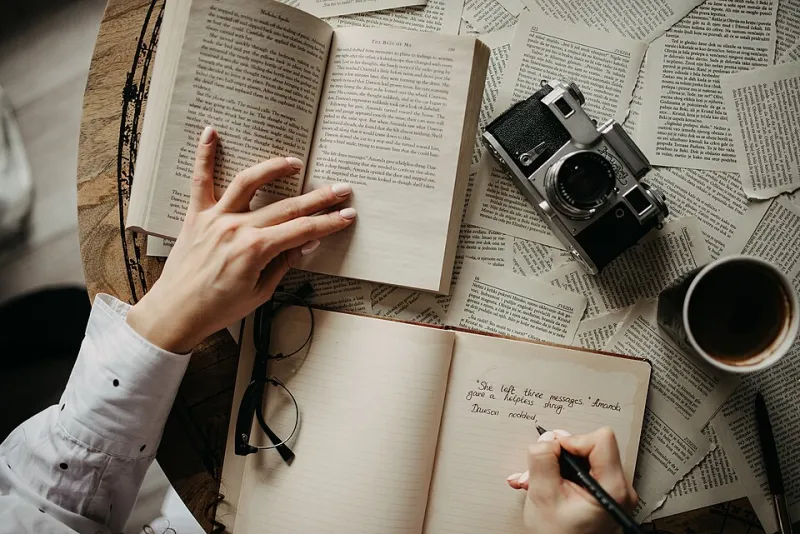
3. A coffee counter above a used-clothing store. Open late, six stools, one outlet, an owner who will absolutely talk to you about Ethiopian beans if you start it. Bring a paperback. This is where I get 40 minutes of actual writing done before the last train.
Jimbocho: the book district after the shutters come down
Jimbocho is a daytime tourist destination and a nighttime ghost town, which is exactly why it's good after 8 p.m.
4. A cafe inside a used-book building. You can pull a volume from the shelf, order something, and read for two hours without anyone rushing you. The unspoken rule: if you read more than a chapter, you buy the book.
5. A reading room above a storefront that stays open until the last customer leaves. No food, no photos, a lamp per seat. It is the most productive room in this entire list and the one most people walk right past.
Kuramae and Kiyosumi-Shirakawa: ink on your hands
6. A small print studio with open studio nights. Screen printing, two presses, a rack of drying screens, drop-in fee somewhere in the $15-25 range plus paper. You do not need to speak Japanese to pull a print; someone will mime the squeegee angle at you and it will be fine.
7. A paper shop that runs evening zine workshops. Washi by the sheet, a long table, a risograph in the back. Check the schedule a week ahead — these fill up with local designers.
8. A warehouse-turned-cafe near the river with long tables, outlets, and a policy of not caring how long you sit. This is the one to pick if you have a deadline and no shame.
Nakameguro: one book-bar, no notes
9. A narrow bar along the Meguro River with a bookshelf and about eight seats. The owner curates by mood, not genre. Tell him what you're working on and he'll hand you something related. It sounds precious. It works.
What a night actually costs
Coffee runs $3-5. A record bar cover plus one drink is $8-12. Open studio time at a print shop is the splurge at $15-30. A late taxi across a few wards, which you will probably need once, is $20-35. Budget $50 for a full evening and you'll come home with change.
A one-night route that avoids the bottlenecks
7:00 — Jimbocho. Browse the closed-shutter streets, buy one cheap paperback, sit in the book cafe until 8:30.
9:00 — Koenji. Record bar first (they fill up), kissaten second. Walk the arcade between the two.
11:30 — Decide honestly: last train, or commit to a taxi. Trains mostly stop between 12:30 and 1 a.m. If you're staying out, move to the river cafe with outlets and get real work done until the first train around 5.
This is the part most guides skip: Tokyo after midnight is not a party city so much as a focus city. The rooms are small, the volume is low, and nobody is performing for anyone. Bring a notebook. You'll fill more of it than you expect.