The Slow Blog Is Winning Again: How a Tokyo Notebook Beat My Feed
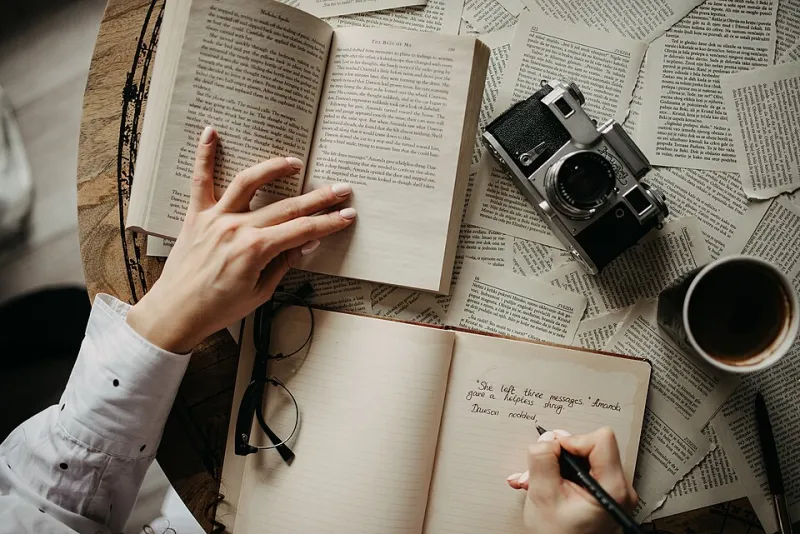
Photo: Shixart1985, CC BY 2.0, via Wikimedia Commons
There is a specific kind of loneliness to scrolling a feed in a city of fourteen million people. Everybody's talking. Nothing is addressed to you.
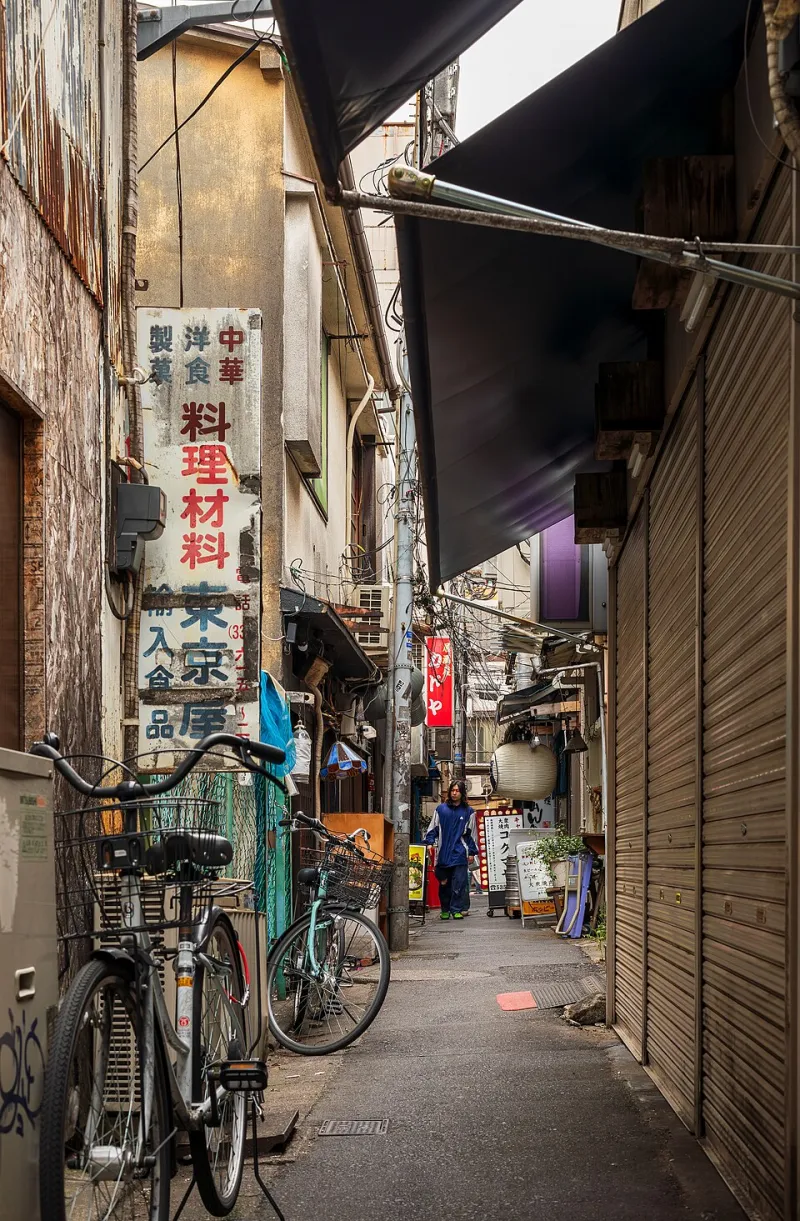
I started keeping a Tokyo notebook online years ago, mostly as a filing cabinet for myself — a place to put what I saw on a Tuesday, what a shop smelled like, what I was making that week. No analytics dashboard, no posting schedule, no thumbnails with arrows on them. For a long time that felt like admitting defeat. Then, sometime in the last year or so, people started actually reading it.
Not in the viral way. In the slow way. Someone in Ohio finds an old post about a paper shop in Kuramae and reads three more. Someone emails about a recipe I described badly in 2023. The traffic is small and it is steady, and steady attention turns out to feel completely different from a spike.
What actually changed in 2026
I don't think blogs 'came back.' I think readers got tired in a specific, physical way — the fatigue of being optimized at. Every feed now arrives pre-sorted by a machine that has decided what you are. A personal blog is the one corner of the internet that hasn't made up its mind about you yet.
There's a practical side too. Search results have gotten worse for quick answers but oddly better for niche ones, and AI summaries have made people hungry for something with a person behind it. When everything is a summary, an over-detailed account of one afternoon starts to feel like a luxury good.
The tools helped as well. Static site generators, cheap hosting, plain-text posting, RSS making a quiet comeback in reader apps. The barrier to publishing is now roughly the barrier to keeping a document open.
My posting rhythm, which is boring on purpose
Here's the entire system. It has not changed in four years.
- Two posts a month. One is a note — 300 to 500 words, something I saw, something I made. One is longer, whenever it's ready.
- Drafts live in one plain text file. Not an app. A file. If I'm on a train and I have a thought, it goes in the file and probably stays there.
- No scheduled posts. I publish when it's done, usually on a weekday morning, which means nobody is around, which is fine.
- No comments. Email only. This single decision removed 90 percent of the work.
- Everything stays up. Old posts don't get deleted for being off-brand because there is no brand.
That's it. Roughly two hours a month of actual assembly, plus the noticing, which is the real labor and the part I enjoy.
Why US readers seem to be drifting back
Most of the emails I get from the States say a version of the same thing: I wanted somewhere on the internet that didn't want anything from me.
A blog doesn't ask you to like, subscribe, share, or stay. There's no infinite scroll — the page ends. You read it, you close the tab, you go outside. In a year when every platform is fighting for a slightly larger slice of your attention, a website that respects a hard stop feels almost rude in a good way.
There's also the ordinary pleasure of following one person's life at low resolution. You learn that someone in Tokyo buys paper on Saturdays and hates August. That's not content. That's company.
A starter framework that fits in a lunch break
If you've been circling this idea, here's the smallest version that works.
1. Pick one subject, not a theme. 'Things I noticed walking to the station' is a subject. 'Lifestyle' is a trap.
2. Write the first three posts before you buy a domain. If you can't get to three, you've saved yourself money and six months of guilt.
3. Publish one post a week for a month, then drop to twice a month. Nobody is waiting. That's the point.
4. Turn on RSS and leave it on. It's the difference between a blog and a diary with a public setting.
5. Write the boring details down. The price of the coffee. The name of the street. The thing you almost didn't mention because it seemed too small. Twenty years from now it'll be the only part that's still interesting.
What I'm not going to tell you
I'm not going to tell you this will grow an audience, because it might not, and that shouldn't be the reason. I'm not going to tell you to monetize it in 2026 or ever. And I'm not going to pretend the feed is evil — I still use it, badly, most days.
What I will say is this: a notebook that other people can read is a different object from a notebook you keep in a drawer. It makes you look more carefully at your own week. That's the whole return on investment, and it turns out to be enough.