Small Tools, Fewer Decisions: A Tokyo Stationery Kit for the American Desk
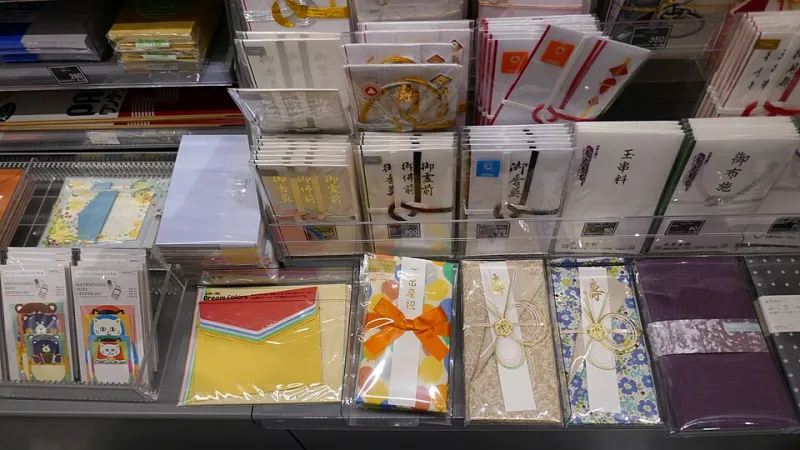
Photo: RF Vila, CC BY-SA 4.0, via Wikimedia Commons
Most desk clutter is not a storage problem. It is a decision problem. You keep a receipt because you are not sure whether to file it, scan it, or toss it. You keep three pens because none of them is clearly the right pen. You keep a sticky note because the thing it is stuck to has no home.
Tokyo stationery shops are very good at solving those micro-decisions. Walk into a Loft, a Sekaido, a MUJI, or even a well-stocked Daiso and you will find tools that do one small job and then get out of the way. They are not aspirational. They are not designed to appear in a YouTube haul. That is exactly why they work.
In 2026, ¥1,000 is roughly six to seven US dollars depending on the exchange rate. That is the sweet spot: cheap enough to try, well made enough to keep. Below are seven buys I would put on an American home desk tomorrow.
1. A slim monthly planner, not a life system
A thin, undated monthly planner replaces two things at once: the giant planner you stop using in February and the calendar app you open only when you are already late. Japanese drugstores and stationery chains sell A5 or B6 slim planners for well under ¥1,000. The point is not to plan your whole life. The point is to see the month in one spread and write down the four things that will actually ruin your week if you forget them.
Look for Kokuyo, MUJI, or the store-brand versions at Loft. Online, MUJI US and JetPens carry similar formats, though you will pay a little more. Skip the imported 'productivity system' bundles. A planner is paper with dates. It does not need a philosophy.
2. Index tabs that do not curl
Sticky flags are a US office default, and they are fine until the edges curl up and turn into desk lint. Small plastic or paper index tabs—the kind you stick on the edge of a folder or notebook—stay put and sit flat. A pack at Daiso is usually under ¥200. Use them for taxes, warranties, and the one folder you actually reopen.
This is the least glamorous item on the list. It is also the one guests notice when they borrow a document and can find the signature page without asking.
3. Glue tape instead of liquid glue
A small glue-tape dispenser replaces liquid glue, a stapler, and the vague anxiety of both. You run it along a receipt or a torn page, press, and you are done. No wrinkles, no staples to remove, no cap to lose. Tombow and Kokuyo make pocketable versions; refills are cheap. In Tokyo, the refill packs are often sold next to the dispensers for less than a coffee.
If you file receipts for reimbursements, this is the upgrade. It turns a messy pile into a five-second habit.
4. Flat double clips instead of bulldog clips
Traditional binder clips are strong, but they dent paper and take up visual space. Japanese flat double clips—sometimes sold as 'double clips' or 'flat clips'—hold a small stack without making it look like a construction site. A box is usually ¥300 to ¥600 at a stationery shop. They are also easier to slide into a bag pocket.
Use them for the mail you need to deal with this week. The clip becomes a visual boundary: this stack is active, everything else is storage.
5. Correction tape, because liquid correction is a commitment
Liquid correction fluid requires drying time, a steady hand, and faith. Correction tape is immediate. A pocket-size dispenser from Plus or Tombow costs under ¥500 in Tokyo and takes up less room than a lip balm. The refills are widely available.
This sounds trivial until you are filling out a form at the kitchen table and the pen slips. Correction tape turns a ruined page into a two-second fix. That is a real desk upgrade.
6. A dot-grid A5 notebook, not a legal pad
A5 is the Goldilocks size: big enough for a meeting, small enough to carry. Kokuyo Campus notebooks are cheap in Japan, often ¥200 to ¥400, and the dot-grid versions are useful for sketches, lists, and pasted-in receipts. They replace the yellow legal pad that sheds pages and the fancy notebook you are afraid to write in.
Buy two. One lives on the desk, one lives in your bag. The point is to lower the cost of writing something down.
7. A clear slim folder for the paper that refuses to die
There is always paper: insurance letters, school forms, tax documents, takeout menus you swear you will use. A slim clear folder with a few divisions gives that paper a temporary home without pretending it is permanent. MUJI and Daiso sell these for ¥100 to ¥300. They slide into a laptop sleeve and do not add bulk.
Label one division 'this week.' When the week ends, empty it. The folder is not an archive. It is a waiting room.
How to buy without the import markup
If you are in Tokyo, shop at a normal stationery store, not an airport gift shop. Loft, Tokyu Hands, Sekaido, MUJI, and Daiso are all reliable for basics. Tax-free shopping is nice, but do not buy things you would not buy at home just to chase the refund.
If you are in the US, compare unit prices before you buy a curated 'Japanese stationery set.' A ¥200 item should not cost $15 because it came in a pretty box. MUJI US, JetPens, Kinokuniya, and some local Japanese grocery stores carry the same basics. Buy refills, not limited editions. Skip the influencer bundles. The tools are supposed to disappear into your routine, not become a collection.
The real Tokyo lesson is not that Japanese stationery is magic. It is that a desk works better when each object answers a question before you have to ask it. Seven small tools will not redesign your home office. But they will remove seven small decisions, and that is usually enough to make the desk feel quieter.