Ten Tokyo Noises I Borrow for Focus (and How to Fake Them in a US Apartment)

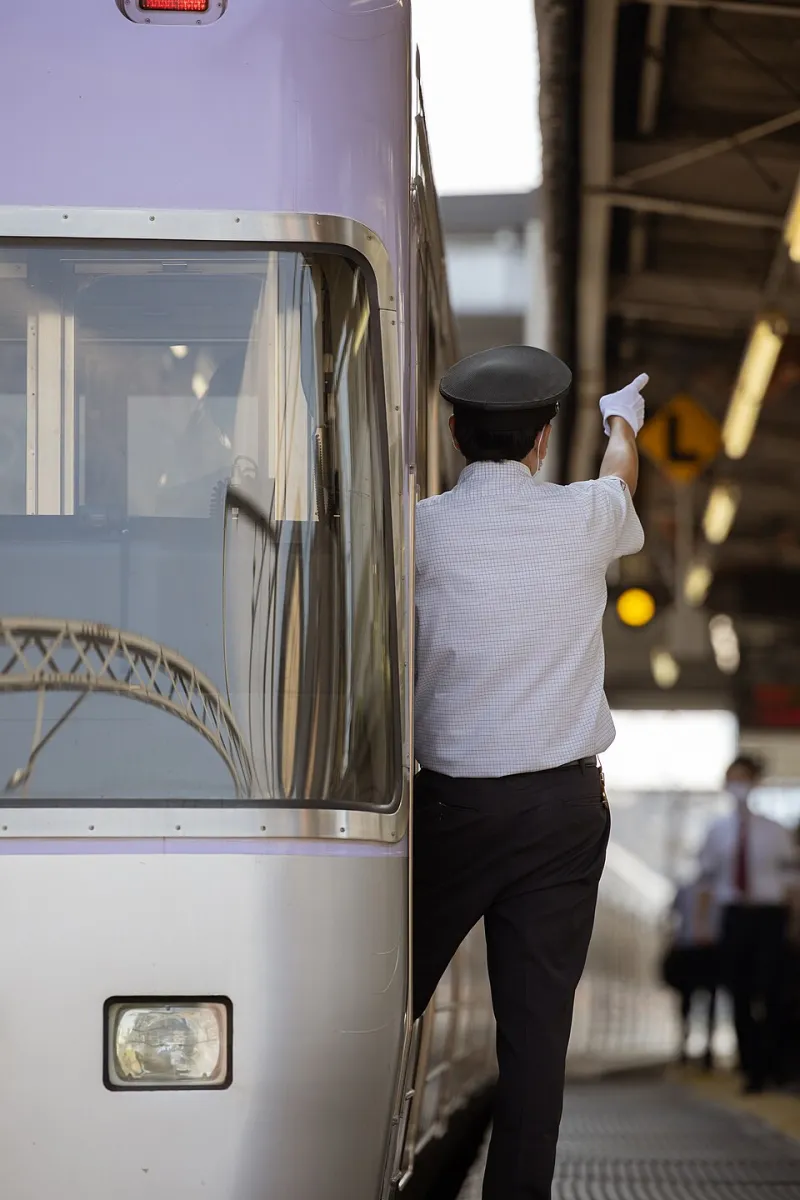
Photo: Basile Morin, CC BY-SA 4.0, via Wikimedia Commons
Most productivity advice is aimed at your eyes. Clear the desk. Hide the phone. Put the laptop on a book so the camera sits at eye level. All fine, all useless to me on a bad afternoon, because my concentration is shaped almost entirely by what I can hear.
I live in a part of Tokyo where the aural texture is oddly specific: a station melody, a convenience store door, a crossing signal that sounds like a small bird with a job. None of it is beautiful. All of it is bounded — each sound starts, finishes, and leaves a gap. That last part is the trick, and it took me years to notice it.
Field notes from a platform at 7:40 a.m.
I started paying attention on the mornings I got work done before nine. Same train, same crowd, same weather. The difference was that I had been standing on the platform for six minutes with nothing to look at and nothing to scroll, listening to a departure melody that lasts about seven seconds and then stops.
Seven seconds, then silence. Then an announcement. Then silence. Then the doors. The rhythm is almost metronomic, and after a few mornings I realized I was borrowing it — I would sit down at my desk and unconsciously wait for the next cue before starting the next task.
That is not magic. It is just a predictable structure with air in it. American apartments rarely provide that. HVAC hums continuously, a neighbor's leaf blower runs for forty minutes, a delivery truck idles. Continuous sound gives your brain nothing to land on.
The listening list: ten sounds worth stealing
These are the ones I actually notice, roughly in order of how much they help me work.
- The departure melody. Short, instrumental, loops with a gap. Under ten seconds is the whole point — it resets rather than fills.
- The two-tone pre-announcement chime. A polite attention signal. I use it as a start-of-block marker in my head.
- The konbini door bell. That fast triple ring, then the staff greeting. It is a doorway sound: someone entered, something changed.
- Rain on a shop awning. Not rain generally — rain on stretched vinyl or corrugated metal, which has a hard, dry clatter and no low rumble.
- Shrine hush. Gravel underfoot, a distant crow, wind in a big tree. Almost no midrange. This is the one I play when I need to read something difficult.
- A bicycle bell and soft brake squeak. Brief, human, gone.
- The crossing signal. The two-note bird chirp at a railroad crossing. Extremely repetitive, but gated by traffic — it comes in bursts, not streams.
- Vending machine hum plus the clunk of a can. A low drone with a single percussive payoff. Weirdly good for repetitive tasks.
- Cafe mechanics: saucer on saucer, steam wand, a chair dragged once. The sounds of a room where other people are also working, without any conversation you can follow.
- The 5 p.m. neighborhood loudspeaker. The evening chime that plays through street speakers, testing the disaster broadcast system. It is a clock, not a song, and it ends a workday better than any app notification.
How to build the loop without buying anything
I have tried the paid sound apps. They are nice and I cancel them, because the whole value here is familiarity, and familiarity comes from a handful of sounds you recorded yourself.
- Record, don't download. Your phone's voice memo app is fine. Sixty seconds of an awning in rain, thirty of a crossing signal, ten of a door bell. Keep the raw files; they will sound more like a place than any library track.
- Cut to length. Trim each clip to its natural end. If a sound runs past about twenty seconds, it starts to feel like a drone and stops cueing anything.
- Sequence three, not thirty. One opening sound, one working texture, one closing sound. My current loop is a platform chime, eight minutes of cafe mechanics, then the evening bell.
- Keep volume below conversation level. If you can hear it over a friend talking across the room, it is competing with your thoughts rather than supporting them.
- Never shuffle. The point is that you know what comes next.
- Use it as a boundary, not a mood. Start the loop when you start the task. Stop it when you stop. The silence after is half the reward.
The part people get wrong
Silence is not the enemy of focus; unpredictable sound is. A laundromat can be a great office. A quiet suburban kitchen with a refrigerator that clicks at random intervals can be terrible.
So the goal is not to make your apartment sound Japanese. It is to give your ears a schedule. Ten small, finished noises beat one long wash of ambient anything — which is also why I have never once finished a project while listening to a four-hour rain track. There was nothing to arrive at.
Start with two clips from your own block. A door, a bell, a bus. Trim them short. Play them in order, twice, and see whether the second pass feels like a place yet. If it does, you have a sound diet. It cost you nothing and it will not autoplay an ad in the middle of a paragraph.